
OpenAI Opens Parts of Codex Harness to Developers via Agents API
OpenAI's Agents API beta gives developers a managed Codex harness, while DevDay added hosted computer use and brought reports that parts of the harness were open-sourced.
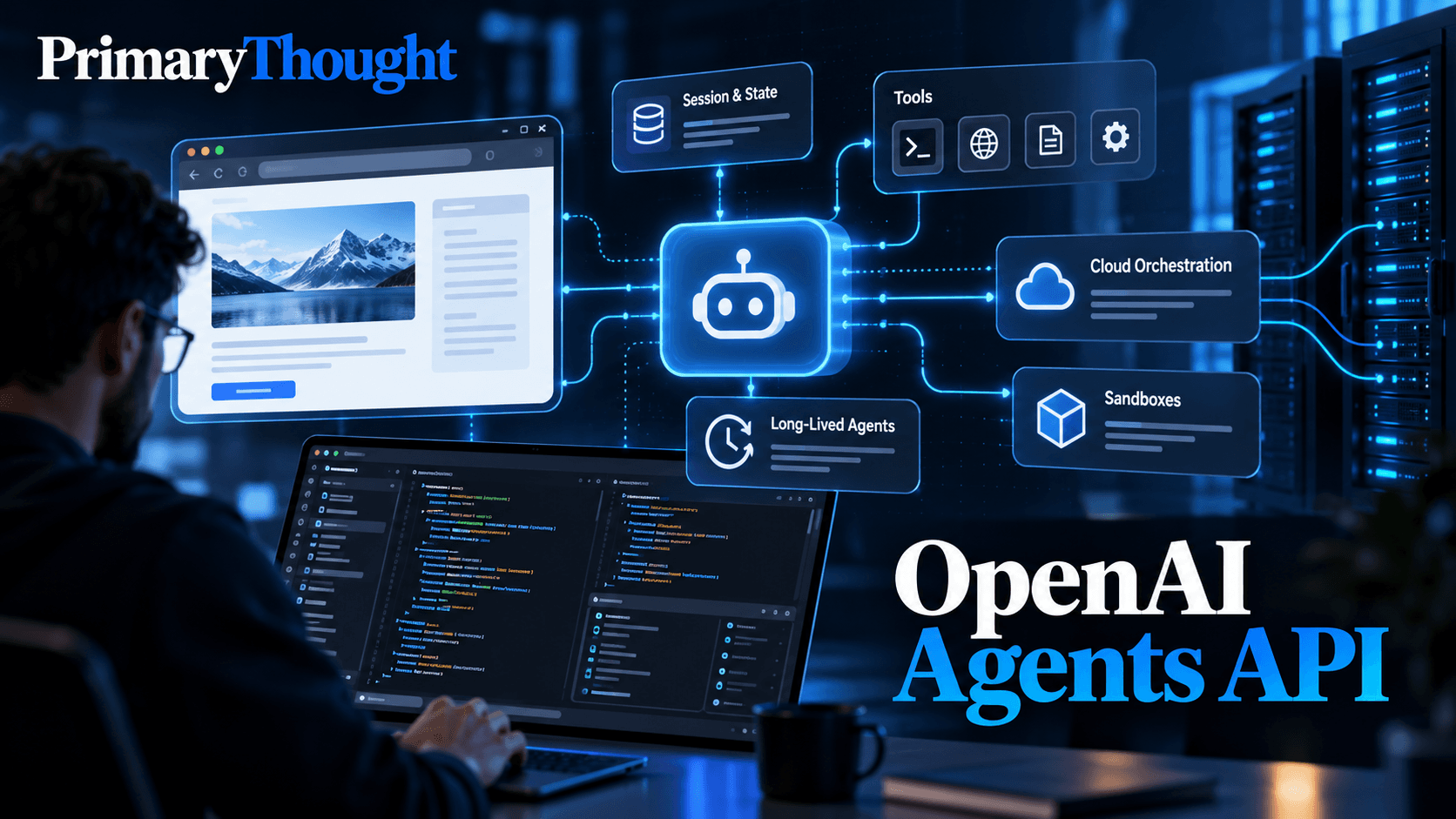
OpenAI is turning the harness behind its Codex coding agent into a product for outside developers. The Agents API, a managed service for running long-lived, tool-using agents, is in public beta. At its DevDay event on September 29, the company also added computer use to the API and, according to coverage of the keynote, released parts of the Codex harness as open source. For teams building agents, the shift matters because difficult tasks such as session state, context management, and recovery can now be handled by the model vendor instead of being built in-house.
What OpenAI is offering
The Agents API documentation describes four building blocks. An agent is the model plus its instructions, tools and MCP servers. An environment is an optional sandbox where the agent can read files and run commands. A session is a durable instance of an agent that works on tasks and responds to input. Events and items are the inputs sent to an agent and the outputs it produces. An application creates a session, assigns work, watches progress and can steer or resume it later, while OpenAI operates the harness itself.
According to the documentation, the managed harness supports sandboxed code execution and file edits, connections to external data through tools or MCP servers, delegation to concurrent subagents, context summarization to stay inside the model's window, resuming sessions from earlier states, progress streaming, webhook notifications and web search. One account of the DevDay keynote quotes the announcement as saying agents can execute code, edit files, connect to MCP servers and delegate work to other agents.
A post on the OpenAI Developer Community dated September 10 introduced the beta and the hosted sandboxes. It says developers can either bring their own sandbox or connect a provider, with first-class integrations for eight providers including E2B, Modal and Vercel, or use sandboxes that OpenAI provisions and manages. The same post says the beta is open to all developers without a waitlist.
What DevDay added
The keynote coverage points to three developer-facing additions. First is computer use. The computer-use guide says the Agents API runs the browser in an OpenAI-hosted environment, while the application starts the session and tracks its events. It requires the gpt-6-astra model with the computer_use tool enabled, along with an openai_hosted environment configured with desktop access.
Second is MCP Events. The keynote summary at Runtime Wire says OpenAI supports the proposed MCP Events specification, which lets connected apps notify ChatGPT about changes such as new tasks or content updates. This allows automations to run while the user is away. The summary notes that the mechanism relies on webhooks that developers must implement. The word "proposed" is worth keeping because this is support for a draft specification, not a finalized standard.
Third is a partnership with Amazon. Runtime Wire describes a managed-agent setup in which agents run in the customer's environment, inference runs on Bedrock, and data stays within AWS. The write-up also says the keynote did not clarify availability across regions or how the offering would apply to different customer agreements. Teams considering it should therefore wait for more detailed documentation.
The open-source claim, and a discrepancy
Several outlets report that the Codex harness is now open source. Decrypt says the software wrapper that lets the agent use tools is available on GitHub, including the CLI, SDK and app server. The Runtime Wire write-up of the same keynote, by contrast, does not mention open-sourcing, and the documentation pages reviewed here do not discuss licensing. Readers should check the actual repositories and their license terms before relying on the claim, particularly to determine whether the entire harness or only certain client-side components are covered.
The distinction matters for lock-in. If the harness is open source, developers could in principle inspect how it manages context and tool calls and run it themselves. If only the CLI and SDK are open while the managed service remains proprietary, the open-source components may function mainly as interfaces to OpenAI's hosted offering.
Costs, limits and caveats
Pricing language differs between pages. The community announcement says there are no additional fees for the Agents API itself. Users pay for the tokens and tools their agents use, while OpenAI-hosted sandboxes are billed at standard container rates. The documentation says billing covers model usage at standard API rates, along with tool usage and container hosting fees. These statements are compatible, but they are not worded in exactly the same way. Teams should therefore estimate container costs before running a large number of long sessions. A commenter on the community announcement raised the same concern, advising developers to calculate those costs in advance.
The documentation also outlines limitations that may matter for regulated users. It says the Agents API currently supports data residency only in the United States and does not support Zero Data Retention. Self-hosted environments do not change these limitations. The documentation also describes the service as a beta and notes that the API may change.
Computer use carries its own constraints. According to the guide, the system requires explicit user approval before the agent accesses a new website origin, including public websites. Credentials are entered through an isolated interface, which keeps their values outside the model's input. Only the main agent can request authentication; subagents cannot. Passkeys and QR-code sign-in are also unsupported. The guide further warns that applications requiring guaranteed confirmation before purchases or other consequential actions should restrict the hosted browser to resources that cannot carry out those actions.
Why it matters for developers
Agent frameworks have so far mostly been libraries that run within the developer's own process. A managed harness shifts the long-running execution loop, state persistence and context compaction to the vendor. That reduces engineering effort, but it also ties some behavior to a specific model family: the computer-use path, for example, requires gpt-6-astra by name. Teams that value model portability may therefore prefer to keep a thin abstraction layer over the session and event model.
The sandbox design offers more flexibility. Support for several third-party sandbox providers lets companies keep code execution close to their own data or within a virtual private cloud while still delegating orchestration. Combined with support for MCP Events, this suggests that OpenAI wants the Agents API to act as a coordination layer across different tools rather than as a closed system. The keynote, however, did not make clear how far that flexibility will extend.
What to watch next
Four questions will determine how much this changes in practice. First, does the open-source release cover the core harness logic, and under what license? Second, will Zero Data Retention and support for additional data-residency regions arrive before the beta ends? Third, how will container and computer-use costs compare with self-hosted agent loops at production scale? And fourth, will other vendors adopt the MCP Events proposal, making event-driven agents more portable?
Until those questions are resolved, the Agents API is best treated as a promising beta for prototypes. Production decisions should wait for clearer answers on licensing, compliance and long-term costs.
Frequently Asked Questions
What is the OpenAI Agents API?
A public-beta service that gives developers access to the Codex harness through an OpenAI-managed API. OpenAI handles sessions, orchestration and context management while the application supplies tools and picks an execution environment.
Is the Codex harness open source?
Decrypt reports that the harness, including the CLI, SDK and app server, is now open source on GitHub, but another keynote summary did not mention it. Check the repositories and license directly.
What are the main limits of the beta?
According to OpenAI's documentation, data residency is currently US-only, Zero Data Retention is not supported, and the API may change during the beta.
How does computer use work in the Agents API?
The browser runs in an OpenAI-hosted environment using the gpt-6-astra model, and users must approve each new website origin. Credentials are entered through an isolated interface.
Related articles
 Tools & Frameworks
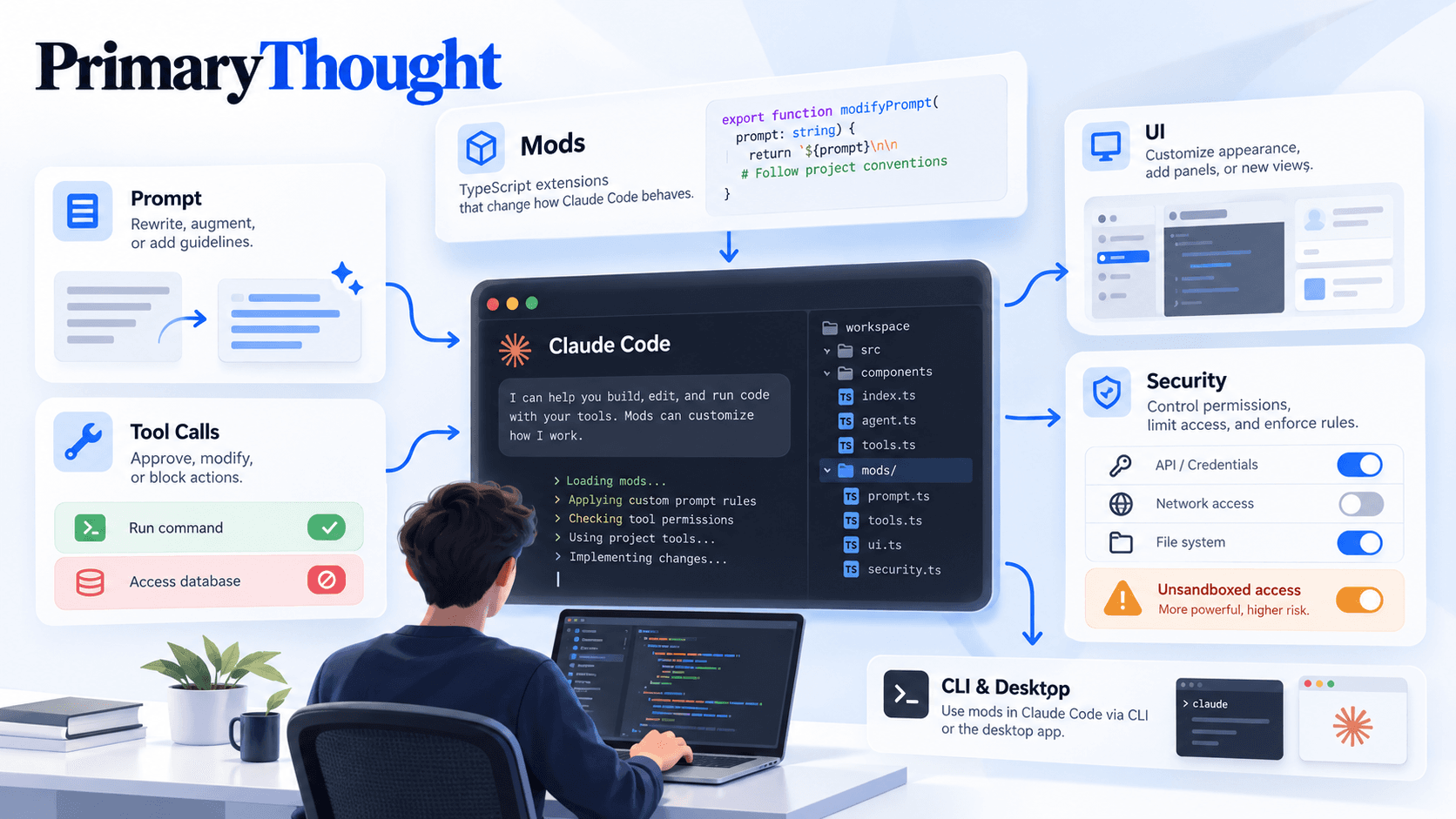
Claude Code Adds Mods to Rewrite the Agent's Behavior and UI
Anthropic's Claude Code 2.1.287 adds TypeScript mods that can rewrite prompts, intercept tool calls and replace UI. They run unsandboxed.
 Tools & Frameworks
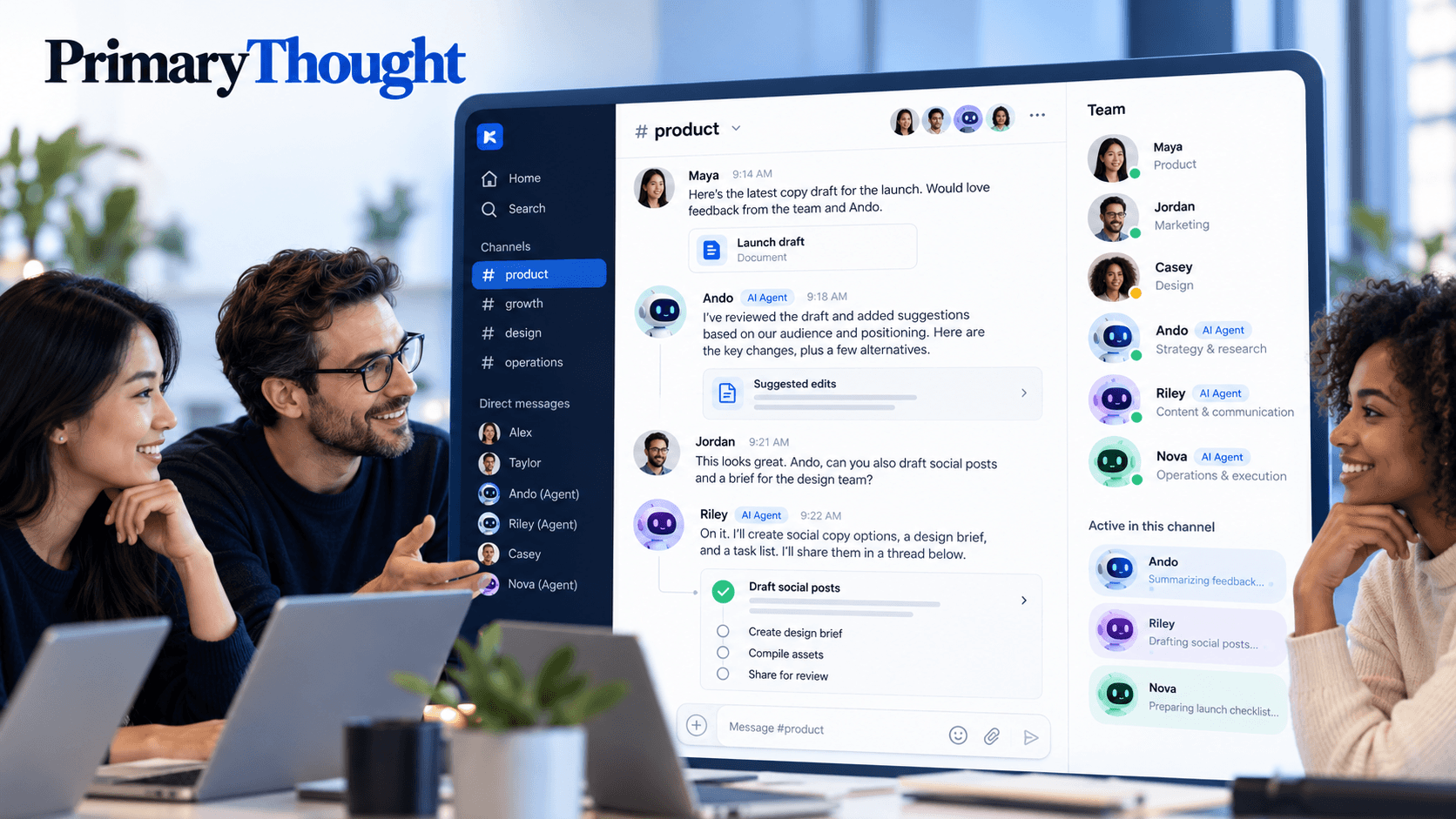
Ando Exits Stealth With $20M to Build a Slack Rival for Humans and AI Agents
Backed by $20 million from Accel, Index Ventures, and Emergence Capital, Ando is a team messaging platform built so AI agents can join channels, message colleagues, and coordinate work as full participants rather than as add-on integrations.
 Tools & Frameworks
Google Upgrades Gemini's Managed Agent Harness With Files and Credentials APIs
The new antigravity-preview-09-2026 harness cuts output tokens on file edits by 40% and adds two APIs for handling files and secrets in autonomous agent workflows, ahead of an October 5 deprecation of the prior version.