
Anthropic Opens Claude Marketplace With Over 2,000 Connectors and Plugins
Anthropic launched the Claude Marketplace on September 23, bundling more than 2,000 connectors, plugins, and Claude-powered products from partners like Atlassian, Notion, and Salesforce into a single catalog.
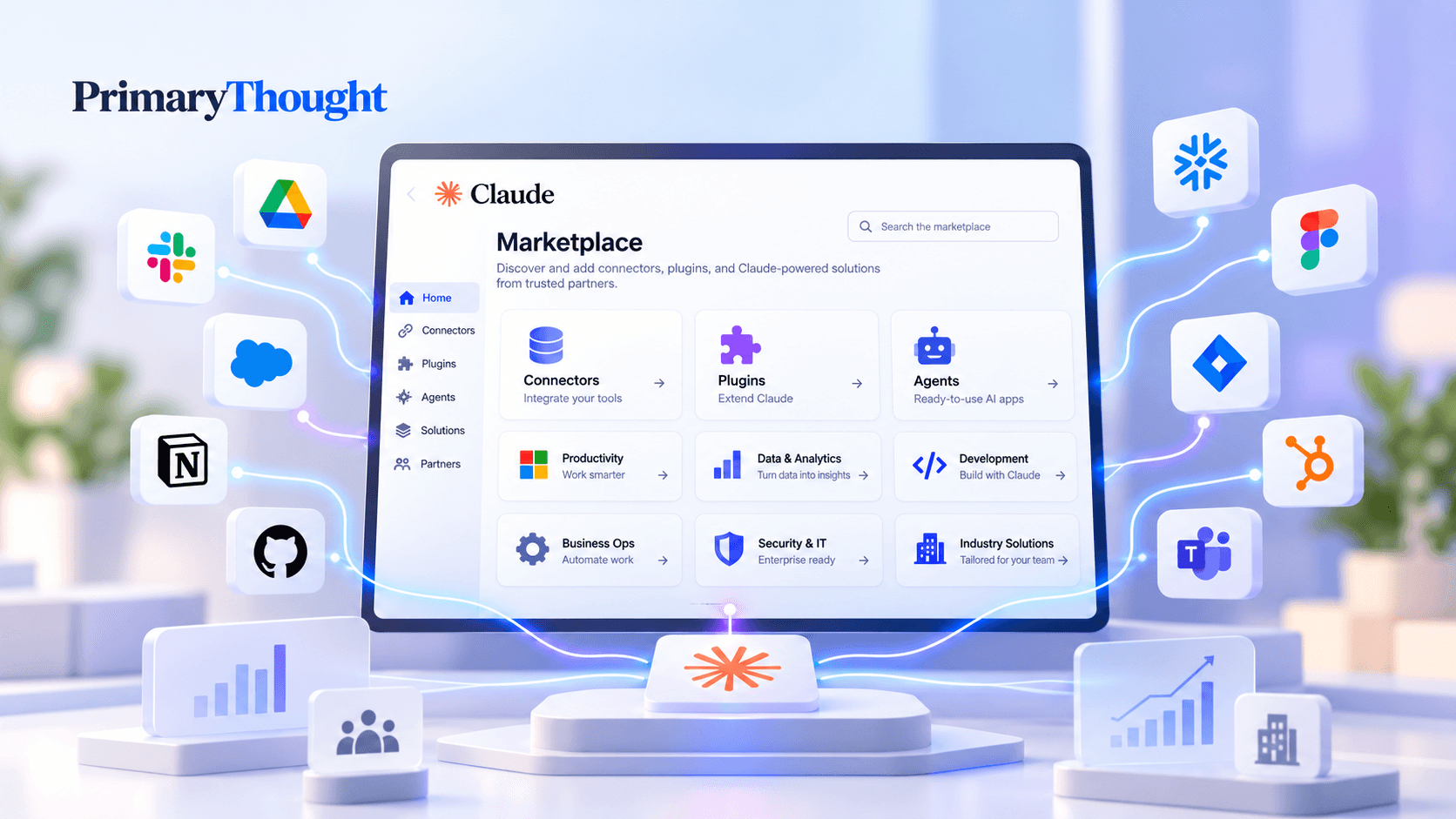
Anthropic has launched the Claude Marketplace, a new hub that brings together more than 2,000 connectors, plugins, and Claude-powered products from third-party partners in a single catalog. The marketplace went live on September 23, according to Anthropic's own announcement, and represents the company's biggest push yet to turn Claude into a platform that other software companies build on top of, rather than a standalone chat product.
Three sections, one catalog
Per Anthropic's blog post and reporting from BleepingComputer, the marketplace is organized into three sections. The first, connectors and plugins, includes integrations from companies such as Atlassian, Google, Microsoft, Notion, and Salesforce that let Claude read from and act on a business's existing tools. The second, agents and products, sells Claude-powered software built by other companies directly to Anthropic's existing customers, with CrowdStrike, Cursor, Harvey, Legora, Lovable, and Snowflake named as launch participants. The third section lists service partners, including Accenture, Boston Consulting Group, and Deloitte, for enterprises that want help implementing Claude-based tools rather than building integrations themselves.
Anthropic says the marketplace lets enterprise customers use a portion of their existing committed Anthropic spend on marketplace listings, effectively turning the catalog into a procurement channel as well as a discovery tool. That detail matters for large customers who negotiate annual AI spending commitments and want a straightforward way to allocate that budget across both Anthropic's own models and a growing ecosystem of partner tools.
Anthropic has also identified customers using the marketplace's purchasing arrangement. In its announcement, the company says CodeRabbit applied part of its existing Anthropic commitment towards Vercel, which provides infrastructure for its coding agents. Power Digital and ThoughtSpot used the same arrangement with Snowflake. These examples show how committed spending can extend beyond Anthropic's own services to selected partner products. They do not establish that every marketplace listing is eligible or that the same commercial terms apply to all enterprise customers.
Built on open standards
Developers build marketplace connectors and plugins using the Model Context Protocol (MCP) and Agent Skills, both open standards that Anthropic originally created and has continued to push as an industry-wide way for AI models to call out to external tools and data sources. Anthropic opened a formal submission portal on September 25, giving builders on Claude's paid plans a trackable path to get connectors and plugins listed in the directory, rather than relying on informal partnerships or one-off integration deals.
That shift toward a structured submission process mirrors how app stores for mobile platforms and browser extension marketplaces matured: a period of scattered, bespoke integrations giving way to a centralized listing, review, and discovery system once the underlying protocol, in this case MCP, gained enough adoption to support one.
Anthropic's developer announcement, published on 25 September, describes two submission routes for developers on paid Claude plans. They can register a single connector by providing the address of a remote MCP server, or submit a plugin bundle containing MCP servers and Agent Skills through a GitHub repository. Claude Code plugins can also include commands, hooks, agents and language server integrations.
Submissions undergo automated validation and safety scanning. Developers can view review results, check recommended changes and decide when to publish after approval. Once a plugin is live, the portal provides usage analytics, including installations by product surface and version. Developers can also see listing views and the search queries that lead users to their plugins.
Why Anthropic is doing this now
The marketplace launch lands in the same week that OpenAI, Google, and Meta have all pushed out competing agentic products and model updates, part of what several outlets have described as a season of accelerating, almost weekly AI announcements. For Anthropic, building a marketplace is less about a single model release and more about deepening switching costs: once a business has connected Claude to its Atlassian, Notion, and Salesforce workflows through the marketplace, and started buying Claude-powered products from partners like Harvey or Cursor through the same billing relationship, moving to a competing model provider becomes a bigger undertaking than swapping an API endpoint.
It also gives Anthropic's partners a more direct commercial relationship with Claude's user base. Companies like Cursor and Lovable, which already build developer tools on top of large language models, get a storefront in front of enterprise customers who are already paying for Claude, rather than having to win that same audience through separate sales and marketing efforts.
What it means for developers
For individual developers and smaller teams, the practical takeaway is that MCP and Agent Skills are no longer just a technical option for connecting Claude to internal tools. They are now the on-ramp to a formal distribution channel with real commercial reach, similar to how building a Slack app or Chrome extension became a path to distribution once those platforms matured their own marketplaces. Anthropic's documentation outlines the submission requirements for both connectors and plugins, and the new portal is the intended starting point for anyone looking to get listed.
Part of a broader enterprise push
The marketplace launch is the latest step in Anthropic's broader effort to court large enterprise customers, following earlier moves like expanding Claude's context window, adding admin and governance controls for business accounts, and signing direct integration deals with software vendors ahead of this launch. Positioning Accenture, BCG, and Deloitte as formal service partners also signals that Anthropic expects a meaningful share of Claude Marketplace adoption to come through consulting-led enterprise rollouts rather than self-serve sign-ups, a go-to-market pattern more associated with established enterprise software vendors than AI labs.
What to watch next
Key open questions include how Anthropic will vet the quality and security of third-party connectors at this scale, whether pricing and revenue-sharing terms for marketplace listings will be published more explicitly over time, and how competitors, particularly OpenAI's plugin ecosystem and Google's own agent tooling, respond with their own marketplace expansions.
Frequently Asked Questions
When did the Claude Marketplace launch?
Anthropic launched the Claude Marketplace on September 23, 2026, with more than 2,000 connectors and plugins available at launch.
What are the three sections of the Claude Marketplace?
The marketplace is organized into connectors and plugins, agents and products (Claude-powered software from partner companies), and service partners for enterprise implementation help.
Which companies are launch partners?
Connector and plugin partners include Atlassian, Google, Microsoft, Notion, and Salesforce. Agent and product partners include CrowdStrike, Cursor, Harvey, Legora, Lovable, and Snowflake. Service partners include Accenture, Boston Consulting Group, and Deloitte.
How do developers build marketplace listings?
Developers build connectors and plugins using the Model Context Protocol (MCP) and Agent Skills, both open standards created by Anthropic, then submit them through a formal submission portal that opened on September 25, 2026.
Can enterprise customers use existing Anthropic spend on marketplace products?
Yes, Anthropic says enterprise customers can use a portion of their committed Anthropic spend on marketplace listings, effectively making the marketplace a procurement channel as well as a discovery tool.
Related articles
 Tools & Frameworks
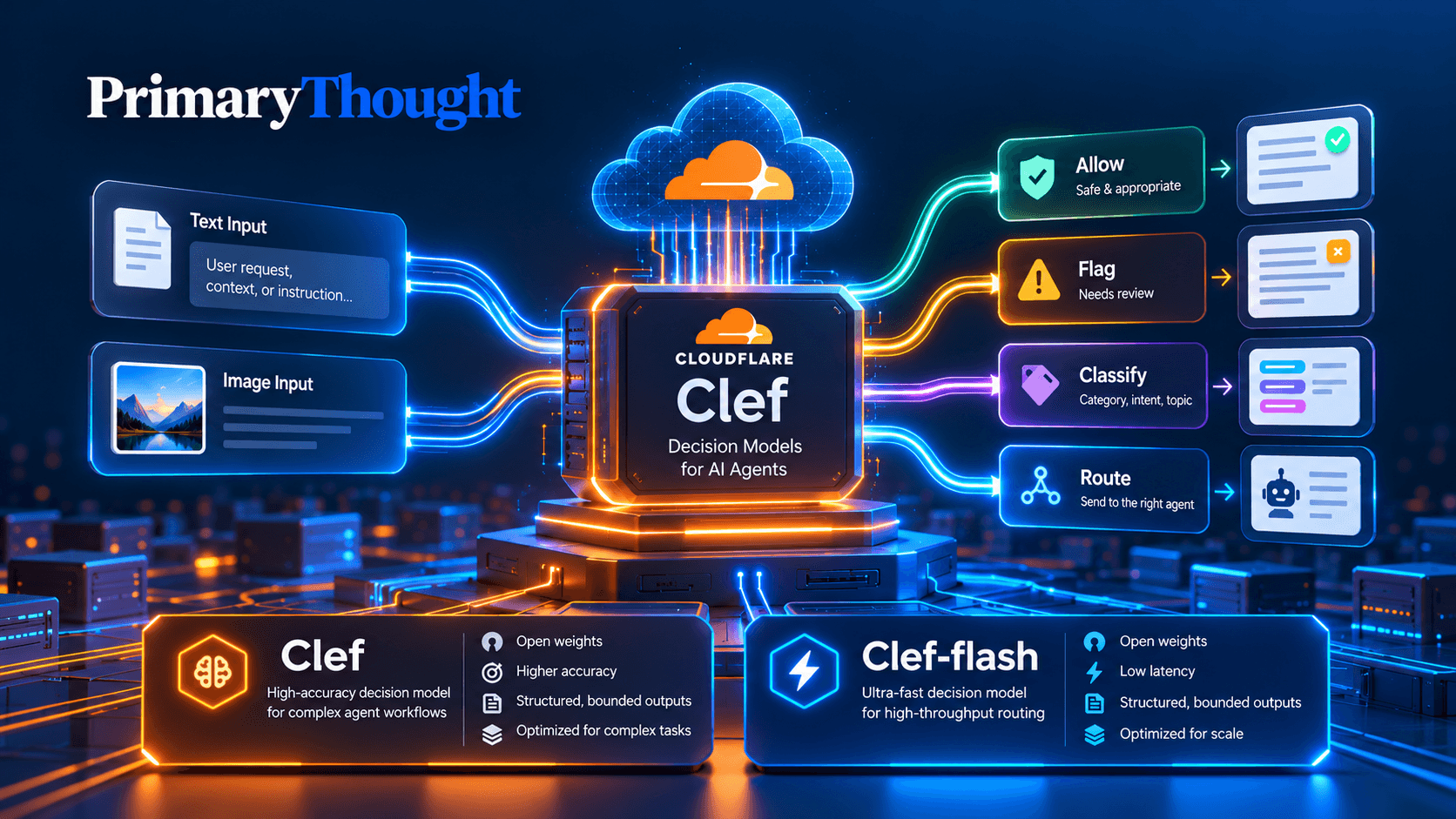
Cloudflare Releases Open-Weight Clef Models for AI Agents
Cloudflare has released Clef and Clef-flash, open-weight AI decision models that return scored answers instead of generated text. Licensed under Apache 2.0, they enter a growing market alongside similar offerings from OpenAI and Amazon.
 Tools & Frameworks
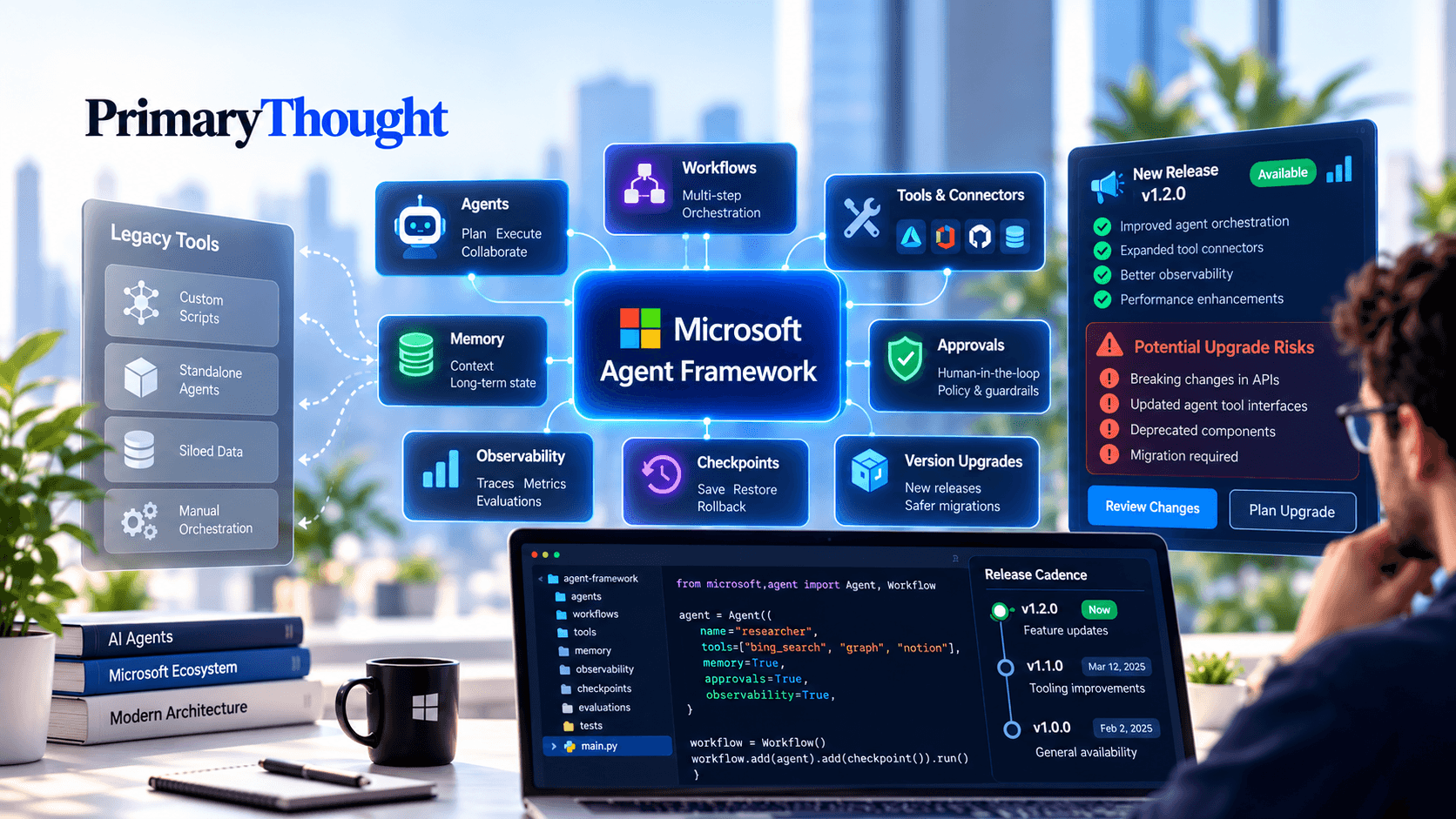
Microsoft Agent Framework Hits Python 1.22 and .NET 1.25
Six months after 1.0, Microsoft's agent framework ships weekly releases, a new harness agent and breaking changes that production teams should read first.
 Tools & Frameworks
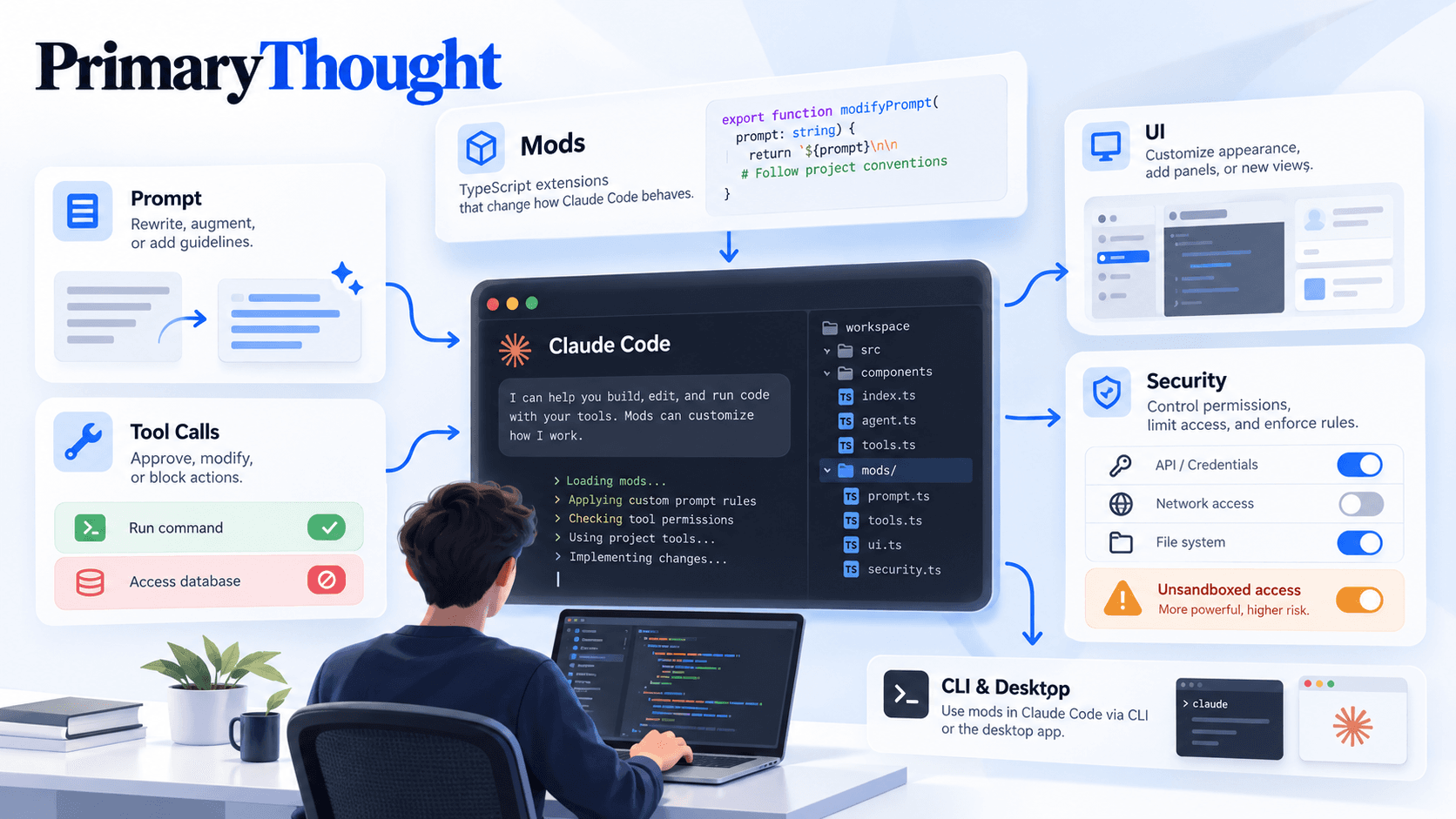
Claude Code Adds Mods to Rewrite the Agent's Behavior and UI
Anthropic's Claude Code 2.1.287 adds TypeScript mods that can rewrite prompts, intercept tool calls and replace UI. They run unsandboxed.