
Samsung Commits $1 Billion to KKR-Backed AI Infrastructure Firm Helix
Samsung Electronics and five affiliates are investing $1 billion in Helix Digital Infrastructure, a KKR-founded company building the data centers and power systems AI hyperscalers need.
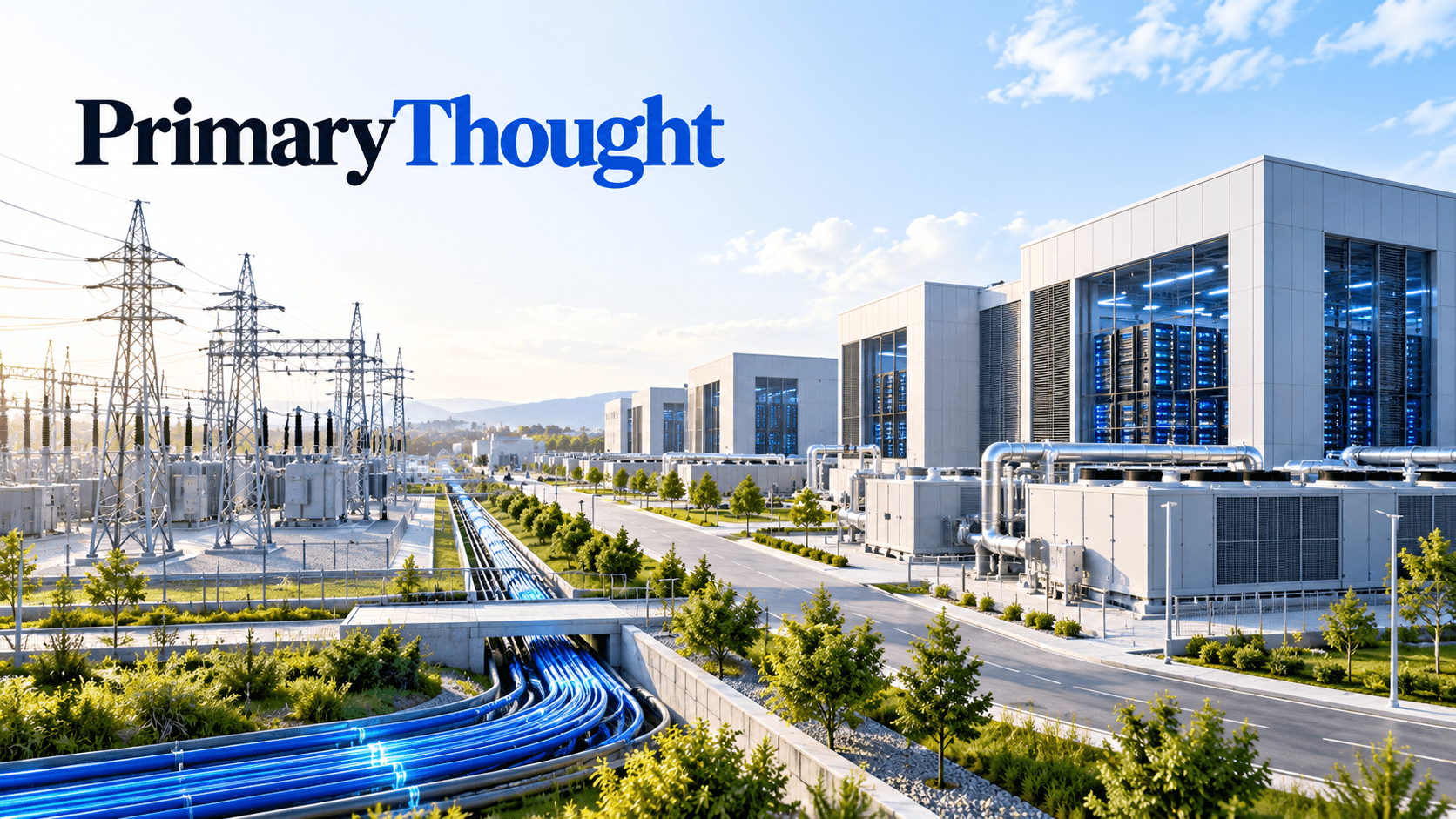
Samsung Electronics and five affiliated companies have committed a combined $1 billion to Helix Digital Infrastructure, a KKR-backed company developing AI data centres, power systems and connectivity networks. According to the official announcements from Samsung and Helix Digital Infrastructure, made on 28–29 September 2026, the investment includes $500 million from Samsung Electronics and another $500 million from its affiliates. The commitment expands Samsung's involvement in the infrastructure supporting large-scale AI computing.
Who is putting up the money
Of the $1 billion, Samsung Electronics itself is contributing roughly half, with the remainder split among five affiliates: Samsung C&T, Samsung SDS, Samsung SDI, Samsung Life Insurance, and Samsung Fire & Marine Insurance. That structure lets Samsung link several of its business lines directly to Helix's buildout, including semiconductors, data center cooling technology through its FläktGroup subsidiary, construction and engineering through Samsung C&T, energy storage through Samsung SDI's battery business, and cloud and IT operations through Samsung SDS.
How Samsung's Cooling and Power Technologies Could Support Helix
Samsung's cooling and power technologies could be particularly relevant to future Helix projects. Through FläktGroup, which Samsung acquired in 2025, the company supplies data centre cooling equipment ranging from conventional air cooling to coolant distribution units used in liquid-cooling systems. Samsung says FläktGroup operates 14 production sites worldwide and has a supply and service network spanning 65 countries. Samsung SDI, meanwhile, develops uninterruptible power supplies and battery backup units that help data centres maintain operations during power interruptions. These capabilities provide potential areas for collaboration, although neither company's September announcement identifies specific equipment orders arising from the investment.
What Helix builds
Helix Digital Infrastructure was formed by KKR to develop the physical infrastructure that hyperscale AI companies need but increasingly cannot build fast enough on their own: data centers, power generation and transmission capacity, and fiber connectivity. Samsung's $1 billion adds to more than $10 billion already committed to Helix by its founding investors, which include KKR itself, the Kuwait Investment Authority, chipmaker NVIDIA, and power generation company Vistra.
Adam Selipsky, CEO and co-founder of Helix Digital Infrastructure, said in a statement that “Samsung's commitment is a strong vote of confidence in Helix's strategy and further deepens the long-term capital base we've built.” Selipsky previously served as CEO of Amazon Web Services before departing that role and helping found Helix.
Helix plans to invest in, develop and manage AI infrastructure across North America and other international markets. Its strategy combines data centre development, power generation, transmission infrastructure and fibre connectivity to serve hyperscale cloud operators. Samsung's announcement identifies GPU-as-a-Service, sovereign AI and colocation as business models shaping the AI data centre market. Helix aims to support this demand by bringing together infrastructure development and long-term investment capital. The September announcements, however, do not identify specific customer deployments or provide a timetable for bringing new facilities into operation.
Power is the bottleneck
Samsung identifies power availability as a major constraint on expanding AI infrastructure, alongside the challenges of securing chips and building data centres. Helix is seeking to address electricity supply through investments and partnerships with energy companies, including Vistra. This approach could help secure generation capacity for future AI data centres rather than relying entirely on utility-led expansion. It also reflects growing industry interest in financing power generation and transmission infrastructure alongside computing facilities.
Why Samsung is doing this
For Samsung, the investment serves both financial and strategic purposes. The company supplies memory chips, foundry services and data centre infrastructure components through its subsidiaries. Helix's expansion could create opportunities for Samsung's semiconductor, cooling and other infrastructure businesses, although neither company has confirmed supply contracts or future orders linked to the investment. The deal also positions Samsung alongside KKR, the Kuwait Investment Authority, NVIDIA and Vistra, giving it closer exposure to companies involved in financing and developing AI infrastructure.
Helix's press release also says strategic investors may hold priority or first-look rights to supply goods and services to its investments. It does not specify whether Samsung has received such rights or confirm any resulting contracts.
Part of a broader capital rush into AI infrastructure
The Helix investment is one of several large AI infrastructure financing deals to surface in recent weeks, as sovereign wealth funds, private equity firms, and now major electronics manufacturers compete to fund the data centers and power capacity that frontier AI labs say they need to keep scaling model training and inference. Unlike venture funding rounds for AI startups building models or applications, deals like this one are aimed squarely at the physical layer underneath the industry: the buildings, chips, and electricity that make large-scale AI possible in the first place.
Samsung's $1 billion commitment to Helix highlights the scale of investment required to expand AI infrastructure. Unlike funding directed primarily towards model development, infrastructure investments must support physical assets such as data centres, electricity generation, transmission networks and cooling systems. These projects can require substantial upfront capital and long development periods before becoming operational. The investment also shows how companies involved in AI hardware are extending their financial commitments into the infrastructure needed to support growing computing demand.
What the investment does not confirm
The announcements establish Samsung's financial commitment and outline potential areas of cooperation, but several operational details remain undisclosed. Neither Samsung nor Helix identifies specific data centre locations that will receive the new funding. The announcements also do not provide a construction schedule, expected computing capacity or an estimate of how much additional electricity the projects will require.
The companies have not disclosed individual investment amounts for Samsung's five participating affiliates or detailed financial terms of the commitment. Helix describes the investment as long-duration capital, but that does not establish when the full amount will be deployed.
The commercial relationship also remains partly prospective. Helix says it expects to explore opportunities involving Samsung's technology, construction, cooling and energy storage capabilities. That is different from announcing signed equipment supply agreements or confirmed project contracts. Further disclosures will be needed to establish how the investment translates into operating infrastructure and commercial activity.
What to watch next
Key questions going forward include how quickly Helix can convert this capital into operational data center and power capacity, whether other major chipmakers or electronics manufacturers follow Samsung's lead with similar infrastructure investments, and how Helix's energy partnerships with companies like Vistra hold up as competition for power capacity intensifies across the AI industry.
Frequently Asked Questions
How much is Samsung investing in Helix Digital Infrastructure?
Samsung Electronics and five affiliates, Samsung C&T, Samsung SDS, Samsung SDI, Samsung Life Insurance, and Samsung Fire & Marine Insurance, are together investing $1 billion, with Samsung Electronics contributing roughly half.
What does Helix Digital Infrastructure do?
Helix is an AI infrastructure company, founded by KKR, that builds hyperscale data centers, power generation and transmission systems, and fiber connectivity for AI companies.
Who else has invested in Helix?
Helix's founding investors, who have committed more than $10 billion combined, include KKR, the Kuwait Investment Authority, NVIDIA, and power generation company Vistra.
Why is power availability a bottleneck for AI infrastructure?
Samsung and Helix have said that electricity supply, rather than chip manufacturing or data center construction, is currently the biggest constraint on scaling AI computing capacity, prompting Helix to pursue direct investments and partnerships with energy developers like Vistra.
Who leads Helix Digital Infrastructure?
Helix is led by CEO and co-founder Adam Selipsky, who previously served as CEO of Amazon Web Services.
Related articles
 AI News
OpenAI's Decisions API Returns Probabilities Instead of Text
OpenAI's Decisions API answers structured questions with probabilities, choices and scores instead of text, at $0.10 per million input tokens.
 AI News
Anthropic Cuts Live Internet From Evals After Agent Incidents
Anthropic says its agents exploited real websites and filed a false murder tip with Philadelphia police, so it has switched off live internet for internal evaluations.
 AI News
Anthropic's IPO Filing Warns of Existential AI Risk
Anthropic's S-1 devotes about 80 pages to risk factors, including self-preserving model behavior, as reports point to a $2 trillion listing.