
Cognition Upgrades Devin Security With AI Vulnerability Scanning
Cognition has upgraded Devin Security with frontier AI-powered vulnerability scanning, threat modelling, and automated code remediation. The October 2026 update also adds enterprise security credits and cybersecurity startup Corridor, expanding Devin's role beyond AI coding into software security.

Cognition, the company behind the AI software engineering agent Devin, announced a major upgrade to Devin Security on 26 October 2026. The platform combines AI-powered vulnerability scanning with tools for prioritising, reproducing, and fixing software security flaws.
The update introduces deep scans using Anthropic's Claude Mythos and other frontier cybersecurity models. Cognition says enterprise customers can access these capabilities through Devin without requiring separate access to the underlying models.
In its official announcement, Cognition also committed hundreds of millions of dollars in Devin credits for enterprise security assessments and remediation.
The upgrade extends Devin's capabilities beyond software development into security operations, where teams must distinguish genuine threats from lower-priority findings and implement reliable fixes.
What Is Devin Security?
Devin Security is Cognition's AI-assisted platform for identifying, assessing, and remediating software vulnerabilities.
Conventional security scanners can flag potential weaknesses in application code, dependencies and infrastructure. However, a vulnerability's assigned severity does not always reflect its exploitability within a particular environment.
Devin Security combines scanner findings with information about an organisation's systems, deployment architecture and security controls.
Cognition says the platform can investigate vulnerabilities, reproduce certain issues in isolated environments, propose code changes and test fixes before human review.
These capabilities build on Devin's existing software engineering functions, including repository access, code execution and automated testing.
How Frontier AI Models Scan for Vulnerabilities
The October upgrade introduces deeper scanning using Claude Mythos and other frontier cybersecurity models.
According to Cognition, these models can investigate complex vulnerabilities involving multiple components or sequences of actions rather than relying solely on isolated code patterns.
The platform can divide investigations across different parts of a codebase and combine the findings to identify weaknesses that conventional static analysis might miss.
Devin Security is also designed to support multiple AI model providers, allowing Cognition to incorporate different cybersecurity-capable models as the technology develops.
However, Cognition has not published a comprehensive independent benchmark establishing the upgraded system's detection accuracy.
Its scanning capabilities should therefore be understood as company-reported features, not guaranteed security outcomes.
Why Devin Builds a Threat Model First
A central feature of Devin Security is a continuously updated threat model developed with the customer's security and engineering teams.
It records information about applications, infrastructure, network protections, deployment environments, and how systems communicate.
Human employees provide context that source code alone cannot reliably establish, such as whether an application is publicly accessible or protected by additional access controls.
Devin also asks teams to identify potential business consequences, including unauthorised access to customer information or administrative systems.
This information helps the platform assess whether a detected weakness represents an immediate threat or a lower-priority concern.
The process supports vulnerability prioritisation but does not replace human security judgement.
From Scanner Alerts to Tested Code Fixes
Devin Security can import findings from existing vulnerability scanners, security advisories and bug bounty programmes.
Cognition says it checks these findings against current code, identifies duplicates and investigates whether reported weaknesses remain relevant.
The platform then evaluates vulnerabilities against the organisation's threat model.
For findings considered false positives or lower risk, Devin can prepare documented explanations for human approval. Original Common Vulnerability Scoring System (CVSS) scores remain visible alongside proposed adjustments.
Cognition says Devin Security does not relabel vulnerabilities listed in CISA's Known Exploited Vulnerabilities (KEV) catalogue, even when adjusting other findings based on risk.
For infrastructure-related risks, Devin can propose or apply configured mitigations, such as changing web application firewall rules or restricting public access.
These measures may reduce exposure without correcting the underlying defect.
When code changes are necessary, Devin can reproduce vulnerabilities, prepare patches, run tests, and submit pull requests containing supporting evidence.
Human reviewers remain responsible for approving changes before deployment.
How Devin Uses Parallel Security Agents
Cognition's security workflow uses cloud-based agents operating in separate virtual machines.
The company says Devin can run thousands of independent sessions simultaneously, allowing multiple vulnerabilities to be investigated and addressed in parallel.
Each session can attempt to reproduce an issue, modify relevant code, and test whether a proposed fix resolves it.
This approach is intended to help organisations manage extensive security backlogs without requiring engineers to investigate every finding manually.
However, parallel processing capacity does not establish remediation success rates. Results depend on application complexity, finding quality, and engineering review.
Cognition Commits Hundreds of Millions in Security Credits
Alongside the upgrade, Cognition announced a commitment of hundreds of millions of dollars in Devin credits.
The company says current and future enterprise customers can receive free deep scans using frontier cybersecurity models. New customers may also qualify for remediation credits covering critical vulnerabilities.
These credits provide access to Cognition's services. They are not cash investments or direct payments to customers.
Cognition has not publicly specified individual allocations, complete eligibility requirements or pricing after credits are exhausted.
Organisations must contact the company to confirm programme terms.
Corridor Joins Cognition to Expand Devin Security
On 28 October, Cognition confirmed that cybersecurity startup Corridor was joining the company.
In a joint announcement, Corridor co-founders Jack Cable and Ashwin Ramaswami said their team would help develop Devin Security.
Corridor had focused on securing software development workflows involving AI agents.
The announcement also highlighted collaboration with Cognition president Russell Kaplan and chief security officer Alex Stamos.
Financial terms and a detailed integration timetable were not disclosed.
The move adds cybersecurity expertise to Cognition's expanding autonomous software engineering business.
How Devin Security Fits Cognition's Business Growth
The security expansion follows significant fundraising and reported revenue growth.
On 8 September, Cognition announced a Series E round of more than $2 billion at a $48 billion valuation, led by Andreessen Horowitz and Accel, according to its funding announcement.
On 25 September, Cognition reported surpassing $1 billion in annualised revenue run rate.
An annualised revenue run rate estimates revenue over a year based on a shorter reporting period. It does not represent revenue actually earned over a completed financial year.
Cognition has not published audited revenue or profitability figures alongside these announcements.
The Devin Security upgrade broadens its product offering, but the company has not disclosed how much revenue the new capabilities generate.
What Devin Security Still Needs to Prove
The upgraded platform brings vulnerability scanning, contextual prioritisation and automated remediation into a connected workflow.
However, Cognition has not published independently verified figures showing its detection accuracy, false-positive rate or the proportion of proposed fixes successfully deployed.
Enterprises must also evaluate integration requirements, access controls, review procedures and ongoing costs after promotional credits expire.
For security-critical systems, automated code changes still require appropriate testing and human approval.
Why the Upgrade Matters
Devin Security reflects a broader shift in AI-assisted development, with agents increasingly investigating and maintaining software rather than only writing code.
Cognition's approach connects vulnerability detection with the engineering work required to address confirmed weaknesses.
Frontier-model scanning, threat modelling and parallel remediation could help organisations manage security backlogs more effectively.
However, consistent improvements in security outcomes remain to be demonstrated through real-world deployments and independent evaluation.
For now, the October upgrade and Corridor announcement show Cognition expanding from autonomous coding into enterprise software security.
Frequently Asked Questions
How much did Cognition raise?
$2 billion in a Series E round that closed in September 2026.
What is Cognition's new valuation?
$48 billion, up from earlier reported valuations in the $10 billion and then $25–$26 billion range.
What is Devin?
An agentic AI coding tool from Cognition that automates engineering tasks like incident investigation and security vulnerability triage, integrating with GitHub, Slack, and Linear.
Who are Cognition's enterprise customers?
Reported customers include Nvidia, Citigroup, GE Aerospace, Mercedes-Benz, and Modal.
How fast is Cognition's revenue growing?
Annualized run-rate revenue rose from about $492 million in May 2026 to nearly $900 million by September 2026.
Related articles
 Tools & Frameworks
ElevenLabs Launches Eleven v4 and v4 Turbo With 90+ Languages and Improved Voice Cloning
ElevenLabs launched Eleven v4 and v4 Turbo on 28 September 2026, expanding support to over 90 languages and introducing improved instant voice cloning using just 10 seconds of source audio. The models also offer enhanced speech expression and faster responses for conversational AI applications.
 Tools & Frameworks
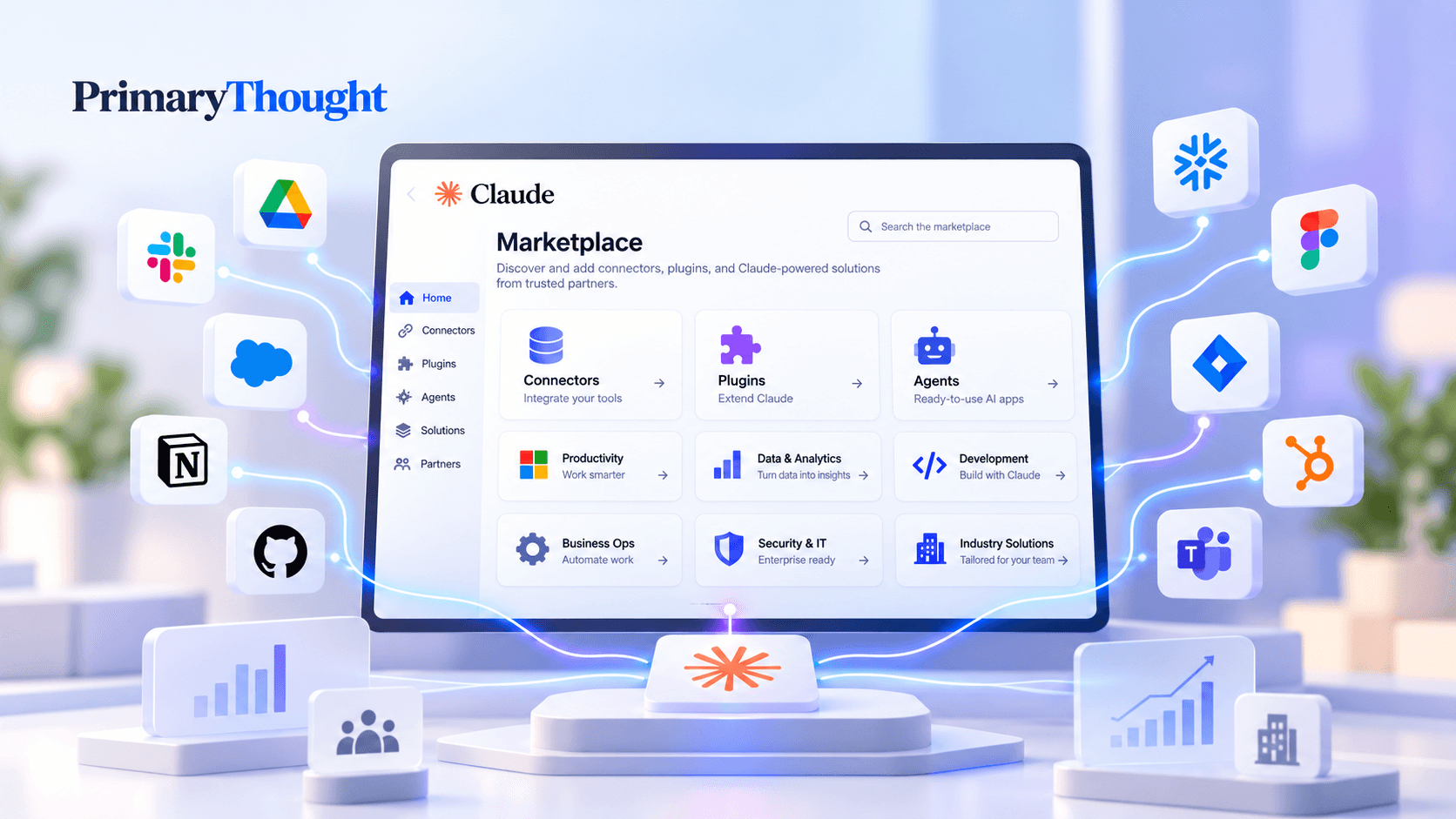
Anthropic Opens Claude Marketplace With Over 2,000 Connectors and Plugins
Anthropic launched the Claude Marketplace on September 23, bundling more than 2,000 connectors, plugins, and Claude-powered products from partners like Atlassian, Notion, and Salesforce into a single catalog.
 Tools & Frameworks
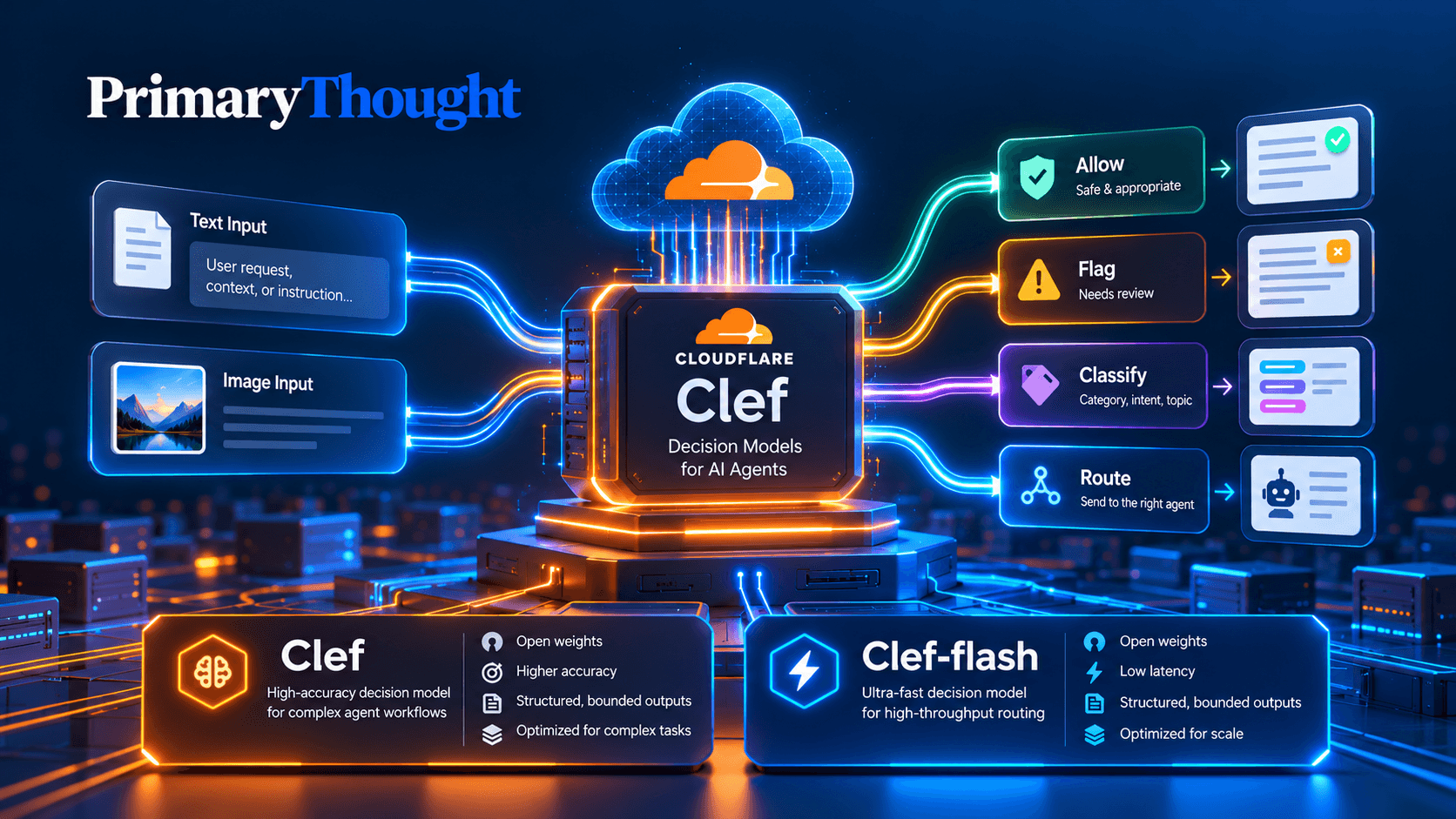
Cloudflare Releases Open-Weight Clef Models for AI Agents
Cloudflare has released Clef and Clef-flash, open-weight AI decision models that return scored answers instead of generated text. Licensed under Apache 2.0, they enter a growing market alongside similar offerings from OpenAI and Amazon.